
When Wi-Fi Problems Start Affecting Wine Sales: How We Stabilized a Wine Country Winery's Network
- Clear Telecommunications
- Aug 10
- 5 min read

A busy Sonoma County winery reached out to Clear Telecommunications with a familiar complaint: the Wi-Fi just wasn't reliable enough anymore. Guests noticed it. Staff noticed it. And during the winery's busiest hours — the exact moments when the business needed its technology to work flawlessly — the network seemed to struggle the most.
The winery already had a fairly substantial Cisco Meraki investment in place. Access points, switches, a security appliance — the bones of a professional network were there. But like a lot of properties that have grown and evolved over several years, the network wasn't a single clean deployment. It was a patchwork: newer Meraki hardware mixed with older Meraki hardware, plus a handful of third-party and unmanaged switches added along the way to solve one problem or another. The network technically worked. It just didn't work reliably — and for a hospitality business, “mostly working” isn't good enough.
The Challenge
The symptoms were what you'd expect from an intermittently unhealthy network, and they were hitting the business exactly where it hurt.
Handheld POS terminals used by tasting room staff would occasionally lose their wireless connection, and reconnecting could take up to 30 seconds — long enough to be noticed by both staff and the guest standing in front of them. The problem was especially pronounced in the patio and outdoor tasting areas, where staff and guests both depend on solid Wi-Fi to keep transactions and conversations moving.
Employees experienced their own frustrations. Dropped Wi-Fi connections meant dropped Microsoft Teams calls, mid-sentence, mid-meeting. Guest Wi-Fi reliability was inconsistent, which is never a good look when your guests are there to relax and enjoy themselves. And all of it got noticeably worse during busy periods, when dozens of devices — guest phones, staff handhelds, POS systems, laptops — were all competing for the same wireless environment at once.
For a modern hospitality business, this isn't just an IT inconvenience. Network reliability is directly tied to customer experience and to the business's ability to complete transactions. A winery is, in a very real sense, running its point of sale, its guest experience, and its staff communication all on top of the same wireless foundation.
What We Found
We started the way we always do: onsite, methodically, working through the entire chain — firewall, switches, cabling, access points — rather than assuming the problem was “the Wi-Fi” and jumping straight to swapping out access points.
What we found wasn't one single smoking gun. It was several smaller issues that had accumulated over time and were compounding each other:
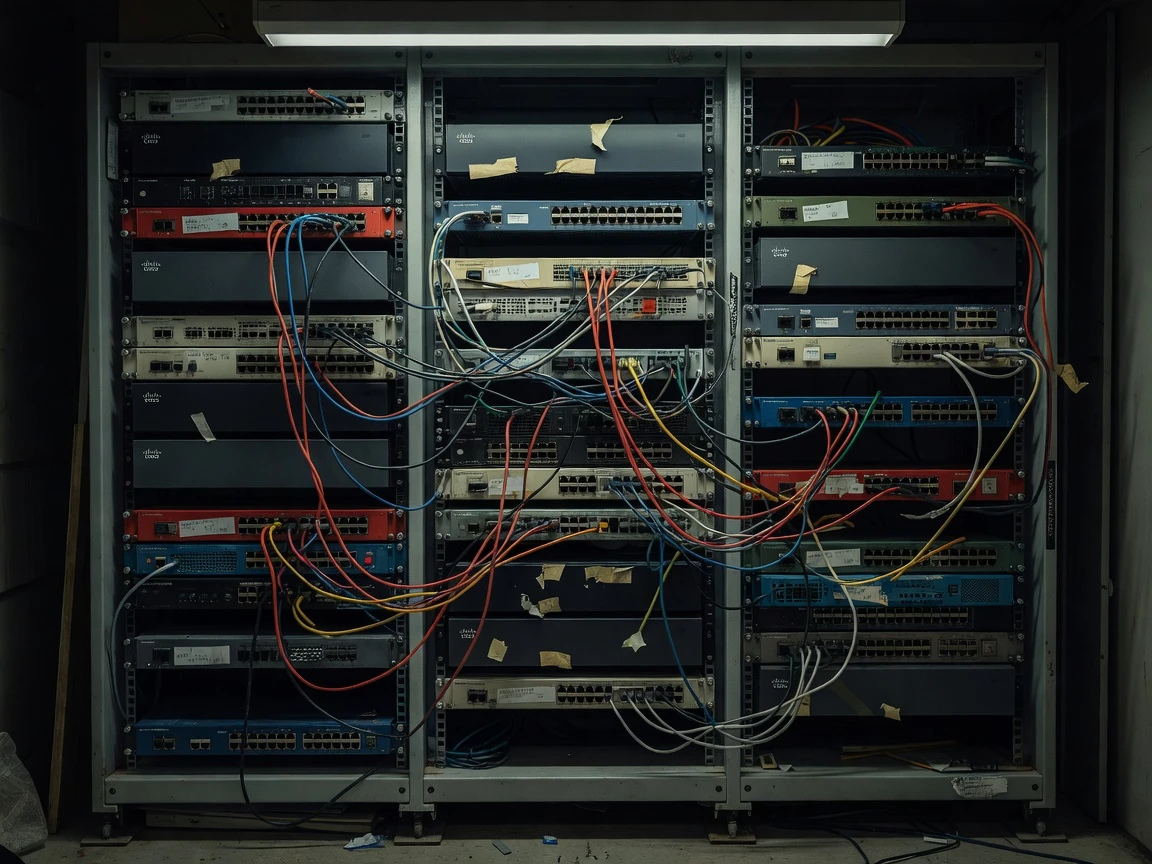
A mix of managed Meraki switches alongside unmanaged, third-party switches that had been added piecemeal over the years
Older access points mixed in with newer generations — and some of the older AP hardware simply couldn't run current firmware or take advantage of current wireless features
An aging Meraki MX64 firewall that was under-equipped for the property's current demands
Inconsistent VLAN and network configurations, with devices living on inconsistent management networks
At least one switch with a cabling-related connectivity issue, and one access point reporting a cabling problem of its own
Multiple unmanaged switches that made troubleshooting and network visibility significantly harder
Some of the reported connectivity events, once traced back, turned out to be upstream ISP outages — not problems with the winery's internal network at all
The throughline here matters: the wireless symptoms the winery was experiencing were actually surfacing weaknesses that lived elsewhere in the network. Meraki's own design guidance is clear on this point — reliable wireless depends on proper switching architecture, thoughtful VLAN planning, disciplined firmware management, and correct RF configuration working together underneath the access points. Skip any of that, and no amount of access point tweaking will fully solve the problem.
The Fix
We approached the rebuild in four stages: Stabilize, Simplify, Standardize, and Optimize.
Stabilize. First, we identified every failing or questionable connection in the network, tested for packet loss and performance issues, and reviewed Meraki's event logs and network topology in detail. This let us clearly separate internal network issues from ISP-side outages the winery had no control over.
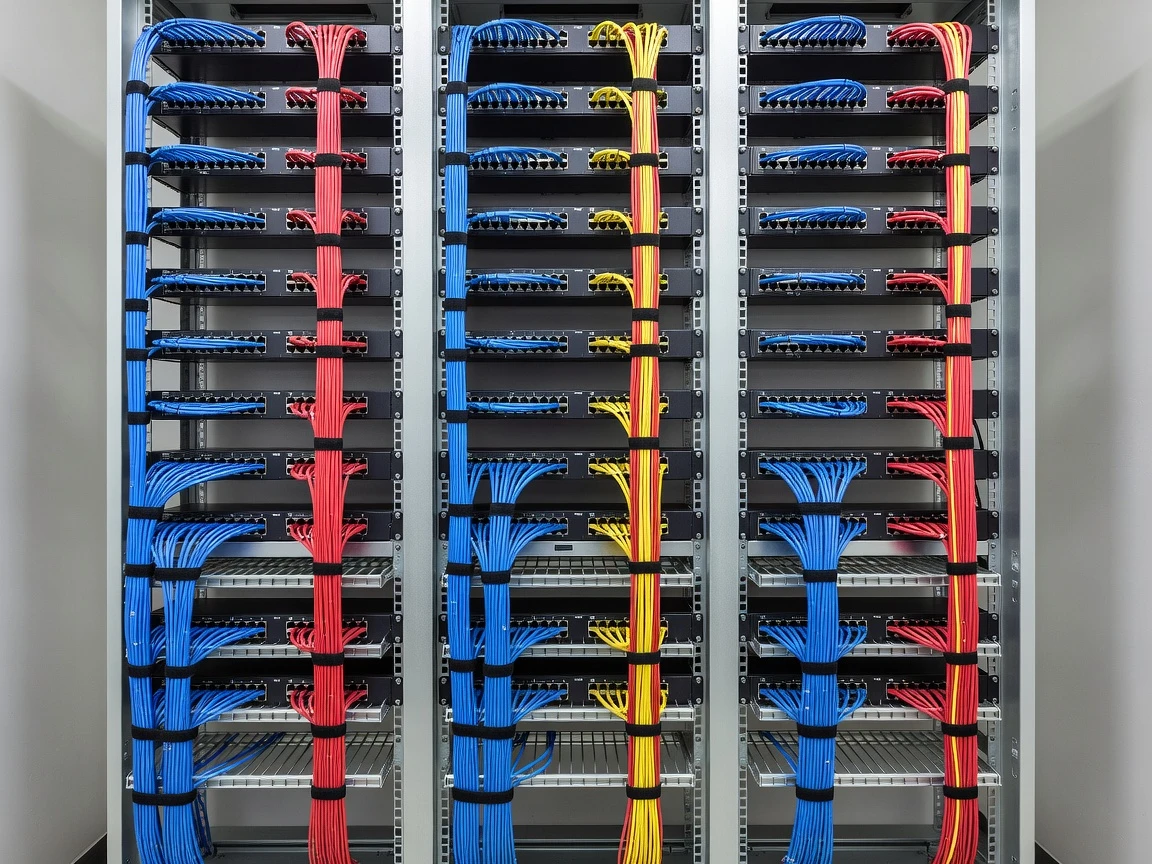
Simplify. Next, we removed the unnecessary unmanaged switches that had crept into the network over time and replaced several of them with properly managed infrastructure. Consolidating everything onto the winery's existing Meraki switching platform gave us — and them — dramatically better visibility and much easier troubleshooting going forward.
Standardize. We replaced the aging access points, upgraded the outdated MX64 firewall, and standardized the configuration across the network. VLAN assignments were cleaned up and made consistent, a proper management network was established, and guest traffic was separated from staff and POS traffic — all in line with Meraki's recommended architecture. That separation isn't just a security best practice; it also makes day-to-day operations and troubleshooting significantly simpler.
Optimize. Finally, we reviewed access point placement and coverage across the property, evaluated channel utilization, and adjusted radio power where it made sense. We tested roaming behavior between access points — critical for a property where guests and staff move between indoor and outdoor spaces — and monitored packet loss and client behavior under real, live operating conditions rather than relying on a single after-hours speed test to declare victory.
Why This Matters
A speed test that shows “fast internet” doesn't tell you whether a network is actually healthy. Reliable commercial Wi-Fi depends on the entire chain working together: Internet connection, firewall, switching, cabling, VLAN configuration, access points, the RF environment itself, and the client devices trying to connect. A weakness at any single link in that chain shows up to the end user the exact same way — as “the Wi-Fi isn't working.”
That matters more every year for wineries, restaurants, hotels, and other hospitality businesses. Today's networks aren't just carrying guest Wi-Fi. They're running point-of-sale systems, employee communications, cloud-based business applications, security cameras, VoIP phone systems, background music and audio, and an increasing number of building and IoT devices — all sharing the same underlying infrastructure.
The Result
After addressing the major infrastructure issues, the winery was left with a cleaner, standardized, and far easier to manage network foundation. Clear Telecommunications can now see and manage the network as one integrated system, instead of chasing down individual complaints one at a time as they pop up. Just as importantly, this work created a platform for continued monitoring and optimization as the winery's needs keep growing.
The key takeaway is one we come back to often: reliable Wi-Fi isn't just about adding more access points. It starts with building a healthy network underneath them.
Having Wi-Fi or Network Problems at Your Winery or Business?
Clear Telecommunications designs, installs and troubleshoots commercial network infrastructure throughout Sonoma, Napa and Marin Counties. From structured cabling and switching to firewalls and enterprise Wi-Fi, we look at the entire network — not just the device that happens to be showing the problem.