Choosing the Right UniFi Protect Cameras for Your Property
- Clear Telecommunications
- Jul 7
- 4 min read
There's a moment that happens on almost every site walk. The property owner points to a spot and says, "Just put a camera there." And we have to explain that the camera that belongs on a warehouse loading dock is not the same camera that belongs in a tight interior hallway, which is not the same camera that belongs on a 300-foot perimeter fence line.
Even inside a single professional platform like UniFi Protect, the cameras are not interchangeable. Each one is engineered for a specific job. Choosing the right mix is what separates a system that quietly does exactly what you need from one that leaves you squinting at a blurry frame when it matters most.
If you've already decided on UniFi — good call — this is the next question worth getting right: which cameras, and why.
It's a System, Not a Pile of Cameras
The first thing to understand about UniFi Protect is that you're not buying cameras. You're building a system. The cameras, the recorder, the switches, and the network gear are all designed to work as one unit, managed from a single interface, with your footage living on your own hardware instead of somebody else's cloud.
That matters for camera selection because the right lens or sensor is only half the equation. A high-resolution camera pushing continuous footage across an undersized network will drop frames exactly when you need them. The value of the platform is that every piece is chosen to fit the whole — which is also why picking cameras off a spec sheet in isolation almost always produces a worse result than designing the system as a whole.
Matching the Camera to the Coverage Problem
Every property presents a different set of coverage challenges, and UniFi Protect has a camera built for each of them. The skill is in reading the property correctly and pairing the right hardware to each zone.
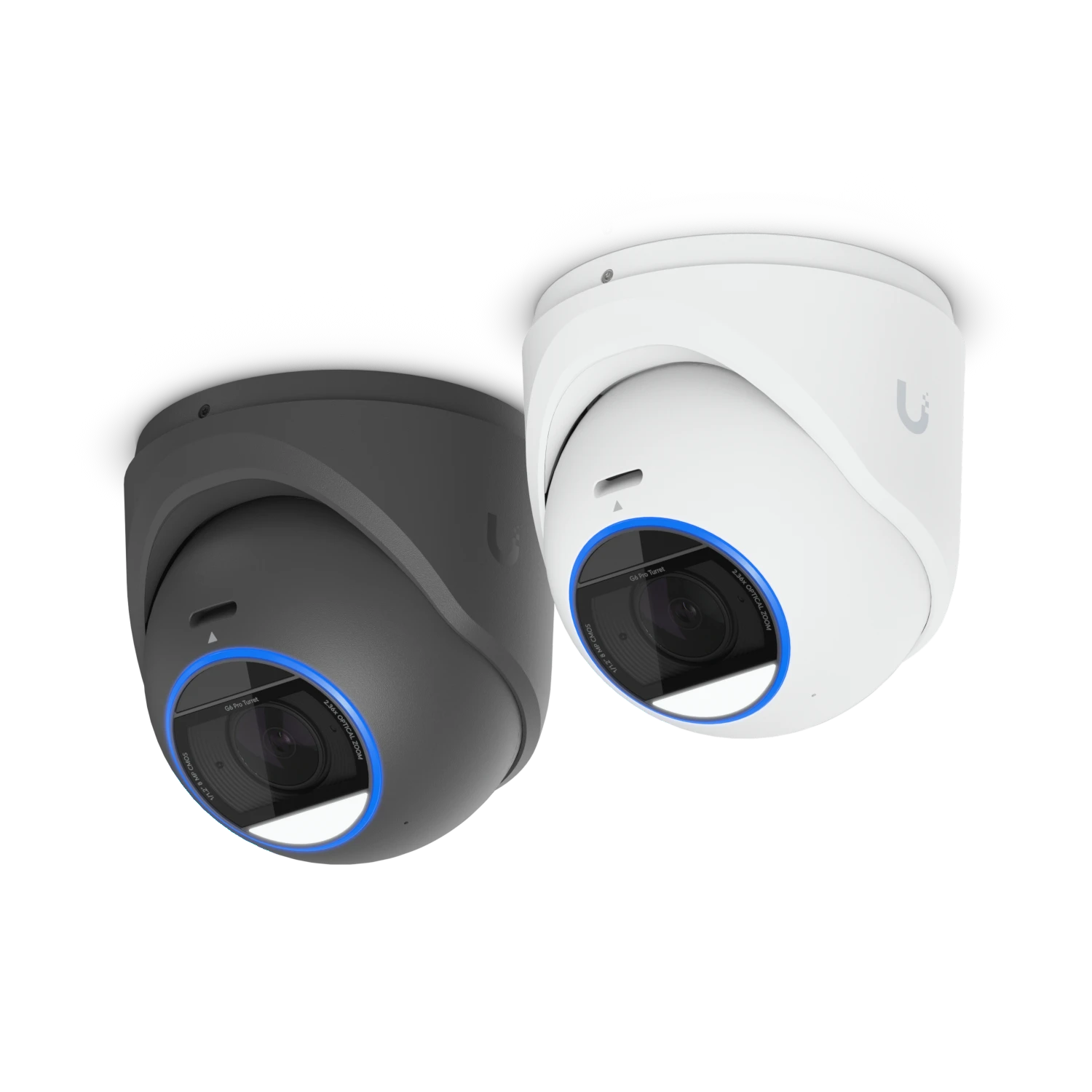
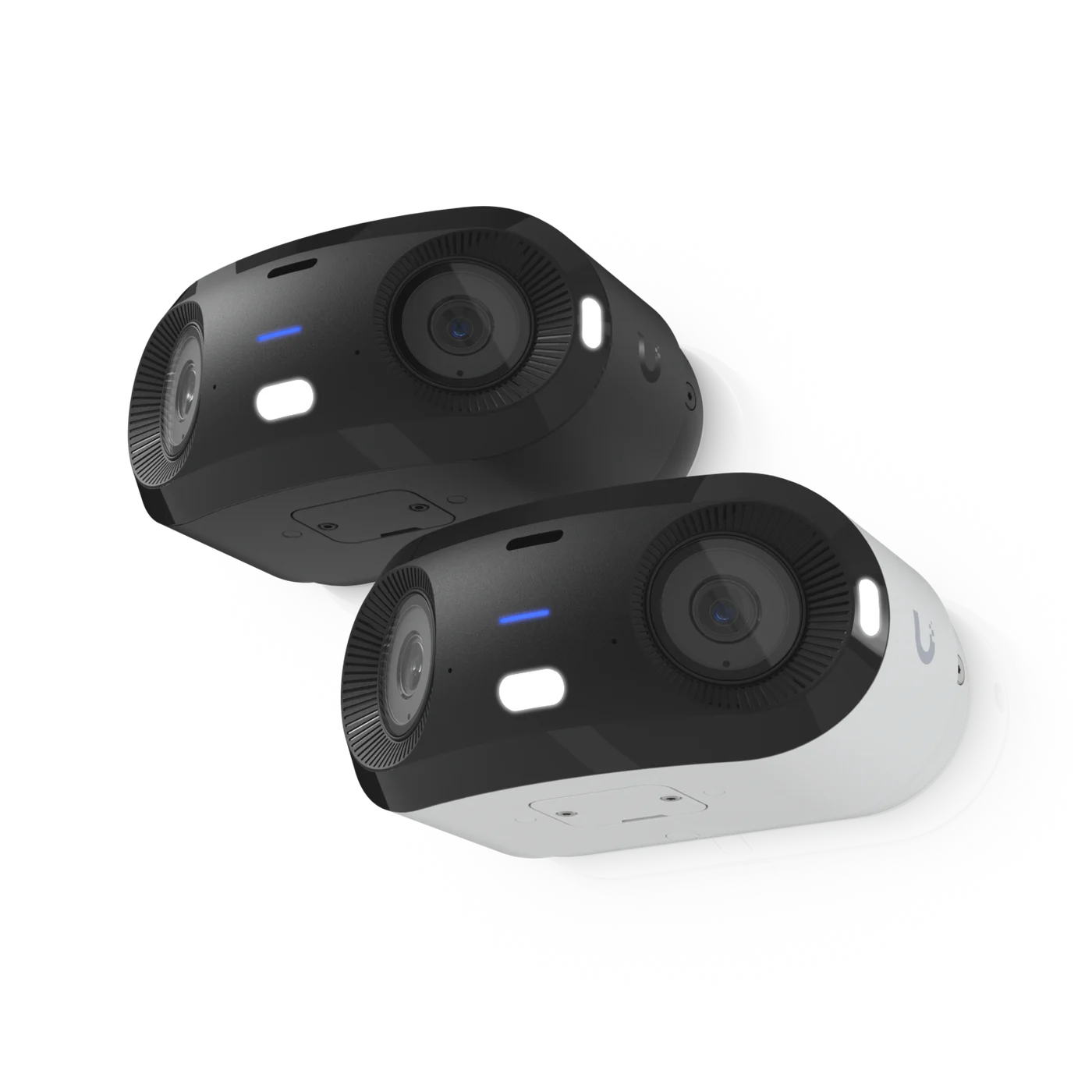
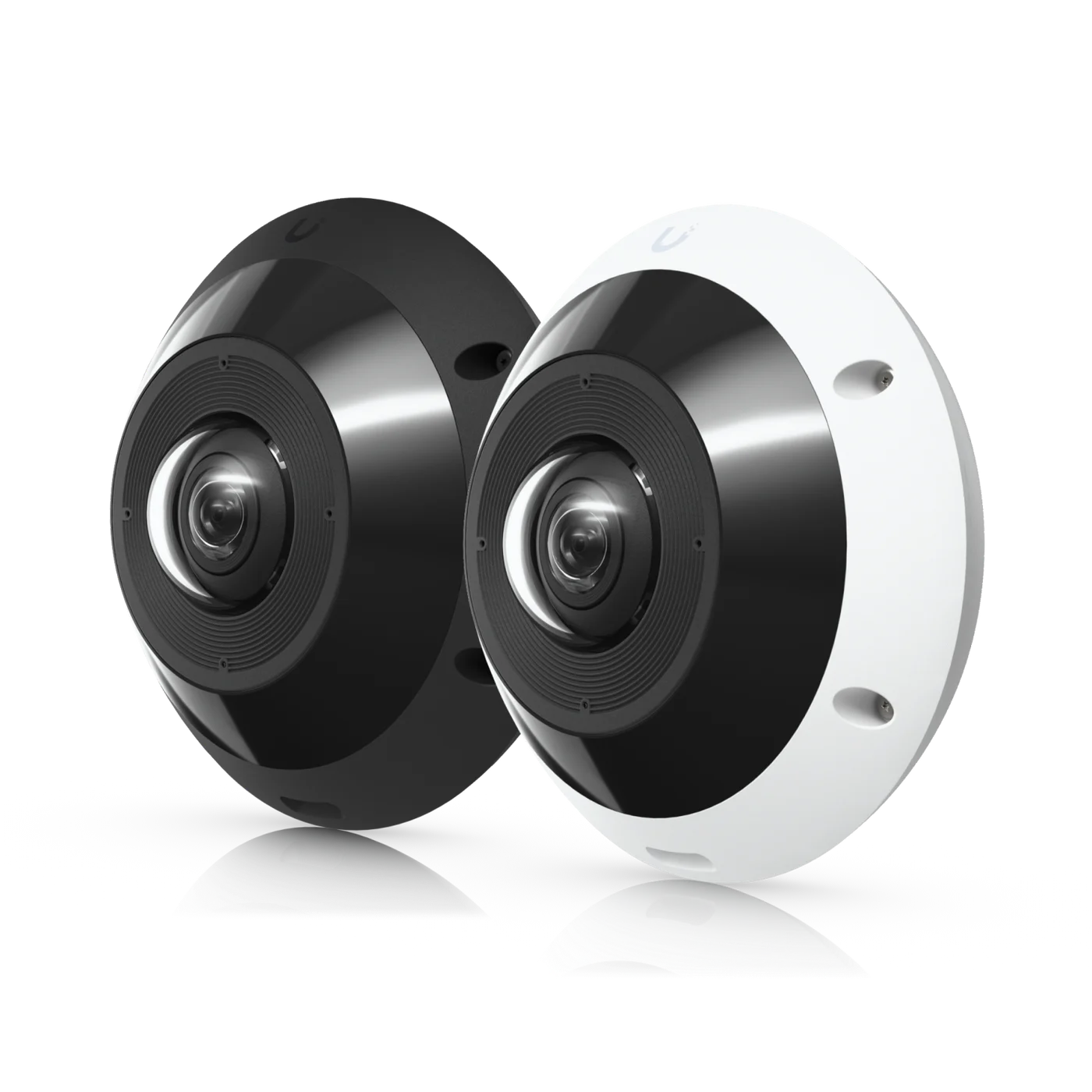
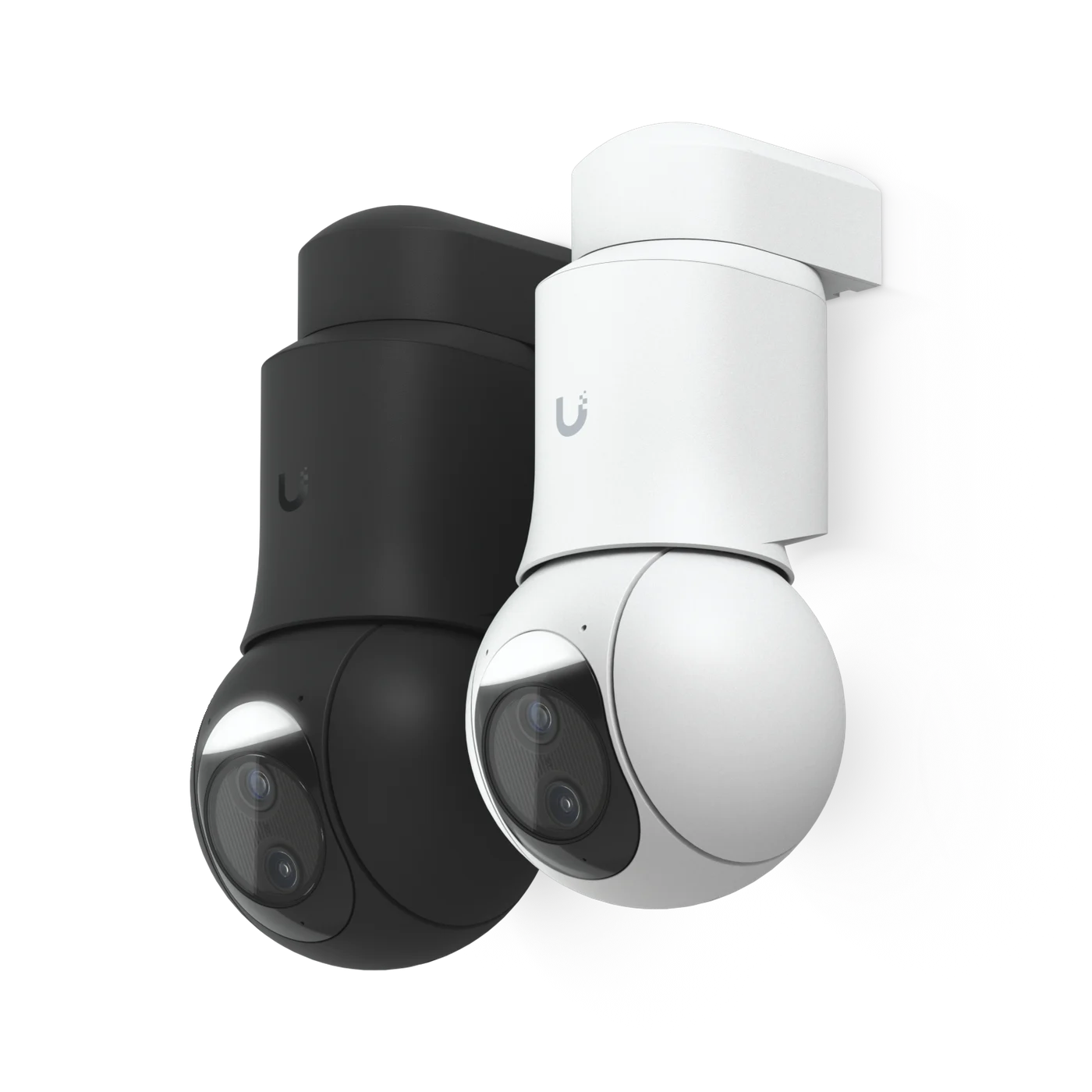
For tight interior spaces — hallways, entryways, back offices, retail floors — a turret or dome camera is usually the right answer. It mounts cleanly, resists tampering, and delivers sharp, wide coverage of a defined area without the bulk of an outdoor unit. Our go-to for these zones is a compact AI-capable turret that handles low light well and keeps a discreet profile indoors.
For anywhere you care about who and what — not just that something moved — an AI-capable camera earns its place. On-device smart detection distinguishes a person from a passing car from a swaying branch, which means the alerts you get are the ones worth reacting to. On a commercial property with constant activity, that difference is the line between a system you actually watch and one whose notifications you've learned to ignore.
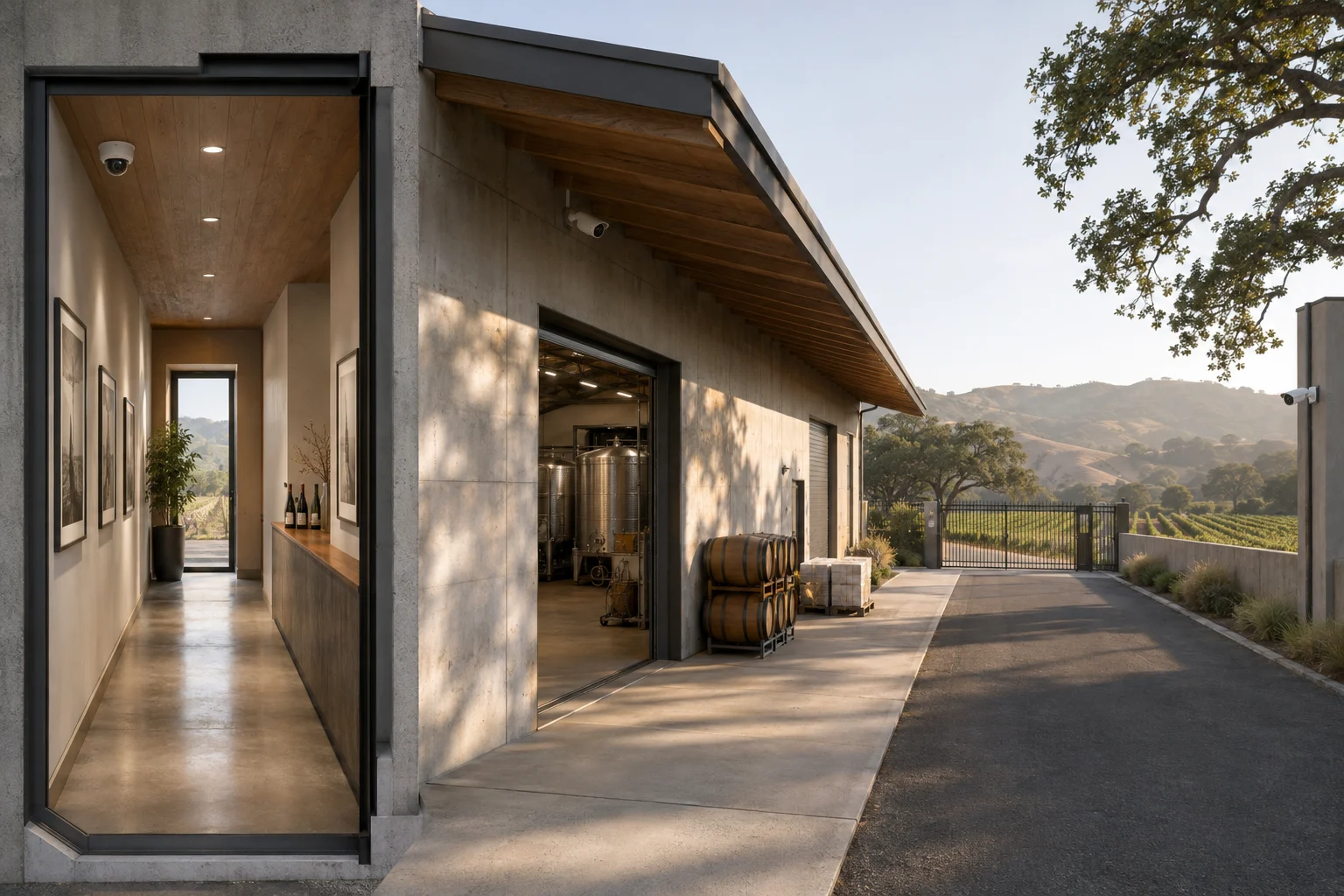
For long exterior walls and open perimeters, a panoramic wide-angle camera changes the math entirely. A single unit can cover ground that would traditionally take three or four cameras stitched together, with no seams and no blind spots between them. On wineries with long production walls, storage facilities with sprawling perimeters, and commercial lots, this is often the single most valuable camera in the whole design.
And for long-range outdoor coverage — a driveway that runs a few hundred feet, a distant gate, a parking lot you need to read license plates across — a bullet camera with the right optics reaches where a dome simply can't. The point isn't to buy one of everything. It's to walk the property, identify each distinct coverage problem, and solve it with the camera actually built for it.
The Recorder Is Half the System
It's easy to fixate on cameras and treat the recorder as an afterthought. That's backwards. The network video recorder is where your footage lives, where retention is determined, and increasingly where the intelligence happens. A modern UNVR with on-device AI processing takes load off the cameras and the network, runs smart detection at the edge, and gives you the storage headroom to keep weeks of footage instead of days.
Get the recorder wrong — too little storage, too little processing, an undersized network feeding it — and it doesn't matter how good your cameras are. The footage you need won't be there when you go looking for it. We size the recorder and the network to the camera count and the retention you actually need, not to whatever's cheapest to drop in.
Why Professional Design Is What Makes It Work
You can buy every one of these cameras yourself. What you can't buy off a shelf is the design — knowing that the loading dock needs a bullet camera angled to beat the afternoon glare, that the long west wall is one panoramic unit and not four domes, that the hallway camera has to sit where it captures faces and not the tops of heads, and that the whole thing needs a recorder and network sized to carry it for years.
That's the work. We walk the property, map every coverage gap, choose the specific camera for each zone, and install it to last — clean cable runs, proper weatherproofing, correct network configuration, and a handoff that means you actually know how to use the system you paid for. The hardware is excellent. The design is what turns it into security you can trust without thinking about it.
Clear Telecommunications designs and installs professional UniFi Protect camera systems across Sonoma, Marin, and Napa counties — Santa Rosa, Petaluma, Sebastopol, Healdsburg, and the surrounding North Bay. If you know you want UniFi and you want it built right the first time, call us at (707) 858-5580. CA License .